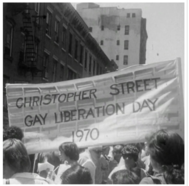
This June, we recognize several significant events and moments in our history, documented in the Library’s collections, when Americans have turned tragedies into opportunities to learn from the mistakes of the past or celebrate the progress we’ve made. Earlier this month, we commemorated the centennial of the Tulsa Race Massacre, which was lost in our history books for far too long, but has now entered the national dialogue in a meaningful way. This week, we are observing Juneteenth – the annual commemoration of the end of slavery in the United States on June 19, 1865 – and that we now will celebrate as an official federal holiday. June is also Pride month, the celebration of LGBTQ+ Americans that has grown out of the pivotal experience of the 1969 Stonewall Riot. Caribbean-American Heritage Month is also observed in June, celebrating Caribbean-Americans’ countless gifts and contributions to our nation.
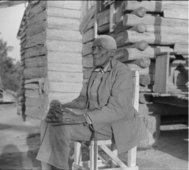
In each of these moments, we are collectively recognizing and discussing a more inclusive version of our shared history by telling the stories of all Americans. The Library of Congress has the resources to connect you with the past: photos of the Tulsa Race Massacre, the papers of gay rights activist Frank Kameny, a copy of the Emancipation Proclamation, an extensive collection of stories of “Slave Narratives from the Federal Writers’ Project,” diverse Caribbean-American recordings in the American Folklife Center and so much more.
The Library is committed to collecting, telling and sharing all of the rich stories that make our diverse nation great. History never stops, and at the Library of Congress, we invite you to discover new connections across our remarkable collections, which grow every day, along with our rich, living history.
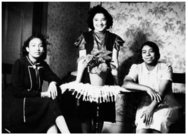
These images of artists, writers, playwrights, photographers, musicians, composers, dancers and poets serve as an introduction to the rich and diverse stories of LGBTQ+ life found in Library of Congress collections. View them here.
Caribbean-American Heritage Month Posts from Across the Library's Blogs
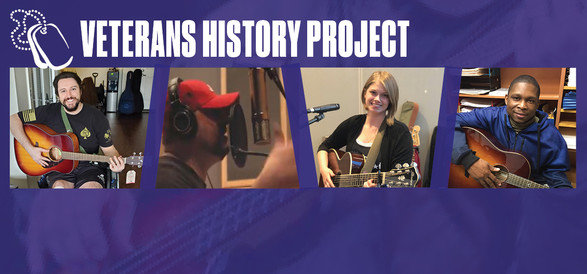
Post Traumatic Stress & Music: The Healing Power of Song
Join the Library of Congress Veterans History Project for a panel discussion that explores the efforts of musicians and music-based organizations to reach out to veterans diagnosed with Post-Traumatic Stress, and hear stories of how vets have used music to cope with traumatic experiences. The panel of expert musicians, veterans and musical organizations will be introduced by actor Gary Sinise, founding member of the Lt. Dan Band. The panel will premiere with closed captions on the Veterans History Project Facebook page. The presentation will be available for viewing afterwards at that site, on the Library of Congress website and the Library’s YouTube site.
The Tulsa Race Massacre: 100th Years After
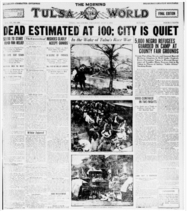
Mary 31 and June 1 marked the 100th anniversary of the 1921 Tulsa Race Massacre, in which a white mob invaded and burned to ashes the thriving African American district within Tulsa, Oklahoma, known as Greenwood, so prosperous at the time to have been called "the Black Wall Street."
It was, then and now, among the bloodiest outbreaks of racist violence in U.S. history. The official tally of the dead has varied from 36 to nearly 300. White fatalities are documented at 13. Some 35 square blocks of Black-owned homes, businesses, and churches were torched; thousands of Black Tulsans were left homeless – and yet no local, state or federal agency ever pursued prosecutions. The event was so quickly dismissed by local officials that today, a century later, several local organizations are still investigating reports of mass graves.
The Library has assembled these resources to help you conduct your own research about the Tulsa Race Massacre with Library collections:
New in the Library Crime Classics Series: The Dead Letter
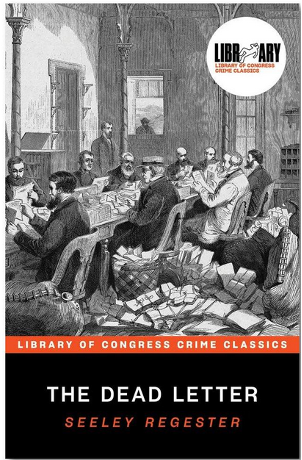
Classic American crime novels see new life in a collaboration between the Library of Congress and Poisoned Pen Press. The Library of Congress Crime Classics series featuring a rich and diverse selection of books originally published between the 1860s and the 1960s. "The Dead Letter" from 1866 asks the question: Who would want to kill the well-liked and respected Henry Moreland? Check it out in our Library Shop.
We are more grateful than ever for all that you do to keep us strong. Whether you support the Library with a gift or simply by spreading the word about what we do, you help us in our mission to connect millions of people around the world with the stories of our collective past, present, and future.
If you haven't yet had a chance to give and you're in a position to donate, please consider making a gift at loc.gov/donate/.
June News from the Library of Congress
Reviewed by Web design company in Bangladesh
on
June 18, 2021
Rating: 5


 Posts
Posts



No comments